Our Fallen Railwaymen site is a database of workers killed in military service during the First World War. It was originally uploaded 2014-2016, but it has been continually updated for the past two years. In that time, we have amended about 25% of the entries: there have been 55 additional records added; 328 records deleted (mostly duplicates); 6,011 minor enhancements and corrections; and 1,357 major enhancements. At the time of writing, the database contains 20,592 entries. For this year’s Remembrance Day, I thought I would share some of the more interesting entries.
Civilians
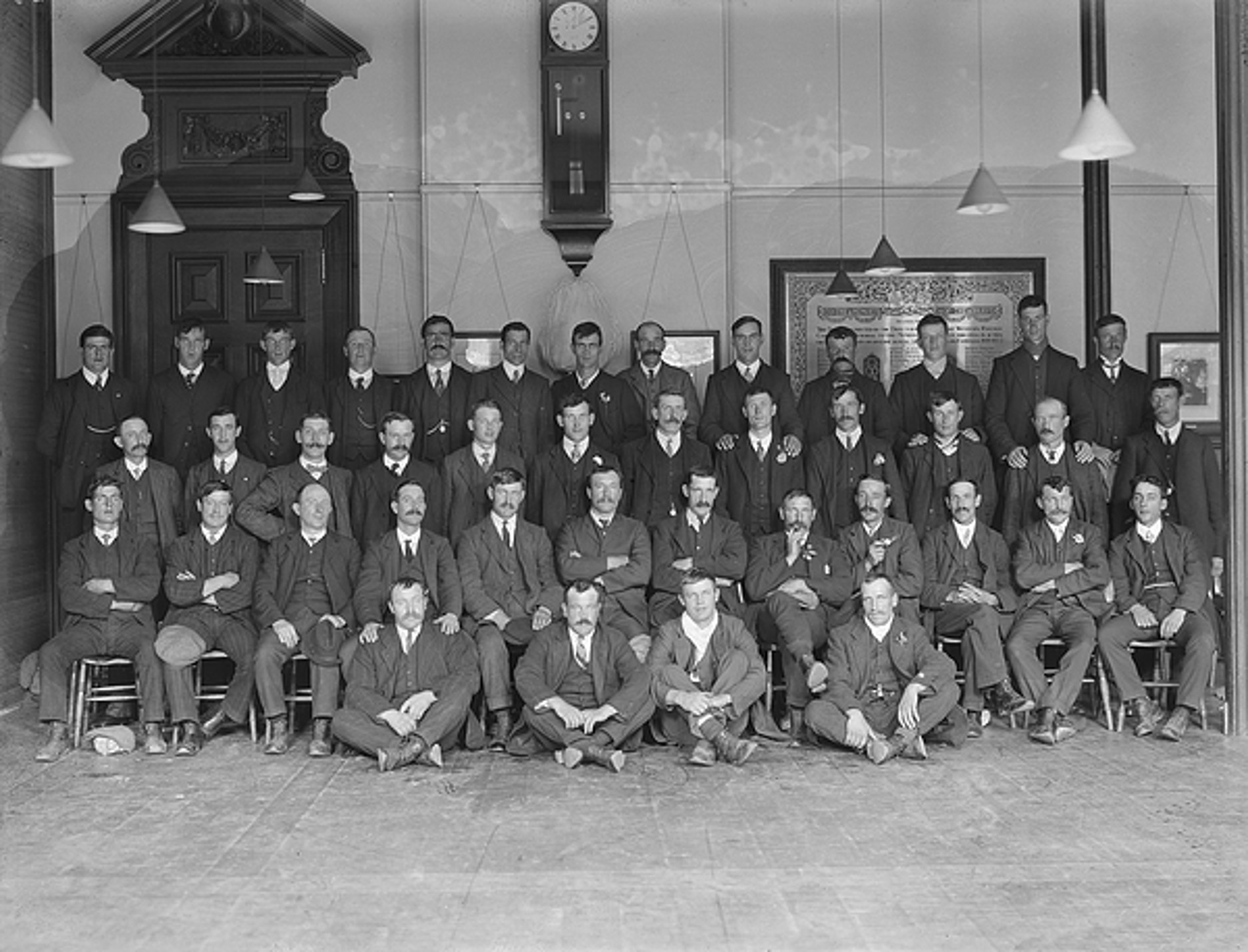
It was not just soldiers who died in the war. So far, we have identified several civilians who died, such as William Edgcombe. He was superintendent at Barsi Railway until the ship he was travelling on was torpedoed by the Germans. Cases like Edgcombe remind us that the war’s impact extended far beyond the battlefield and affected railway employees working across the world.
Women
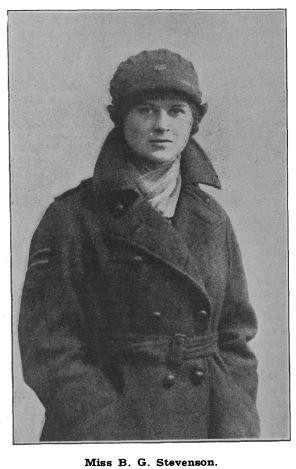
Betty Stevenson was born in York in 1896. Her father, Arthur, worked as an estate agent for the North Eastern Railway. Though Betty herself never worked for the North Eastern Railway, a full page of the NER Magazine (July 1918) is dedicated to her photograph and her obituary, which is why we have decided to keep her in our database. The magazine quotes as evidence of her “loveable nature”:
“Her life in France was a very full and arduous one, but also a very happy life. She faced every duty with singular cheeriness and courage. Driving heavy laden cars of stores to the huts, or weary-hearted relatives to the hospitals; taking a turn at the canteen, or helping to comfort and cheer the refugee women and women from the danger zone – it mattered not what the duty was, she brought the same brave sunny spirit to the doing of it. For herself she never had any thought at all. She might have crossed the bridge that night with an earlier car, and so escaped the bomb; but it was characteristic of her to wait behind to assist some French refugees” (page 136)
Deaths away from combat
We have a lot of men who died as a result of illness or accidents rather than from enemy action. Malaria, consumption, and pneumonia were seemingly rampant amongst the troops, but they could also fall prey to things as common as drowning while bathing.
Commonwealth War Graves Commission (both the website and the memorials themselves) does not note if a soldier committed suicide or was executed by their own army. Records of suicide during military service are difficult to interpret, owing to the stigma surrounding mental illness at the time and the fact that suicide remained a criminal offence in Britain. You can find evidence of the Edwardian loophole of “temporary insanity” used by coroners on soldiers who died by suicide to avoid them being labelled a criminal. I have so far found one example of this: Second Lieutenant EHG Tomblings. As reported in the Sussex Daily News:
Bexhill Officer’s Death
A verdict of “Suicide while temporarily insane” was returned at an inquest at Derby, on Monday, on the body of Lieutenant Eric Hunter Griffiths Tomblings, R.E., who died from several wounds on the neck and arms, inflicted with a razor. A medical witness said that the deceased’s terrible experiences in Gallipoli and physical weakness following a severe attack of dysentery would explain his mental breakdown. Lieutenant Tomblings, who was 27 years of age, was the elder son of Major E.G. Tomblings, of Bexhill, who is now in France. When the war broke out he was employed in the Midland Railway engineer’s department.
309 Commonwealth soldiers were shot for cowardice or desertion; they were pardoned in 2007. Many of them are also recorded without note on CWGC. So far, only two railwaymen have been identified as having been executed.
Survived
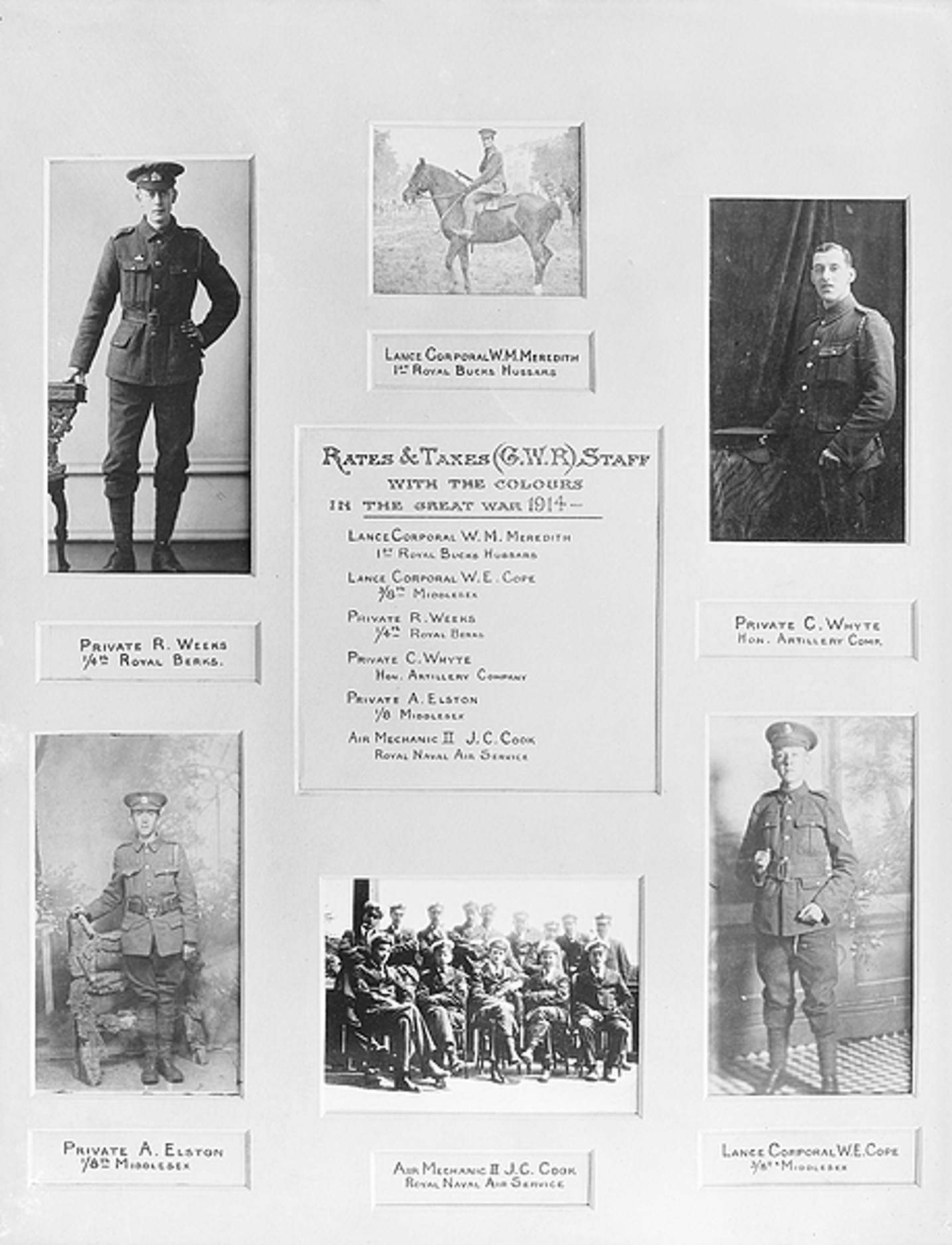
A handful of men were incorrectly reported as dead during the war. One had been taken prisoner; others were later recorded as “alive and well”. Since their deaths (after they were reported as alive) were not reported elsewhere than the St Paul’s list, I have decided that it is likely they survived the war. Since the St Paul’s list contains 18,957 names and the state of communication in 1919, it is quite good record keeping that they only made four errors.
An injury that got you sent back home was nicknamed a “Blighty wound” and has been described as a Tommy’s “ultimate ambition”. Doctors were aware of how dearly many men wanted one, and it was said that their usual response to a gunshot or shrapnel wound was “Go and get your own back” or “Up you go and shoot the man who shot you!”
Miscellaneous
Ernest William Armstrong worked for the NER at Gateshead until he joined the Royal Navy in April 1915. He died in 1918 after his submarine was accidentally sunk by a British warship. “Witnesses at the subsequent court of inquiry said something had been hanging over the letter J on the submarine’s conning tower, making it seem like a U.”
We also have a few men who did not fight for Britain.
Angelo Fantozzi was a porter in Sheffield before the war, but he was a private in the Italian Army until his death in 1915. Three men fought in the Canadian Infantry; they had moved to Canada some years before 1914, but the railway companies saw fit to include them as they had been former employees. We also have two men listed as “French war dead,” but with little information other than that.
We have identified 209 gallantry awards given to men in the database (this is more men than received them, as some men received multiple medals), including three Victoria Crosses. Twenty of our entries were “mentioned in despatches”. Over 31,000 Military Crosses were handed out to officers and over 110,000 Military Medals to NCOs and men. Some soldiers complained that it was too generous, with one saying that “you could get a DCM for washing the general’s dog” (Brown, 1999).
Conclusion
This can never be a completely finished project as information continues to come to light. However, our target is to make the database as good as current information allows by November 2028 to mark the 110th anniversary of the Armistice. Sadly, due to a lack of information, we cannot identify all the men. If you have information about a railway worker who died during or as a result of the war, we would be delighted to hear from you.
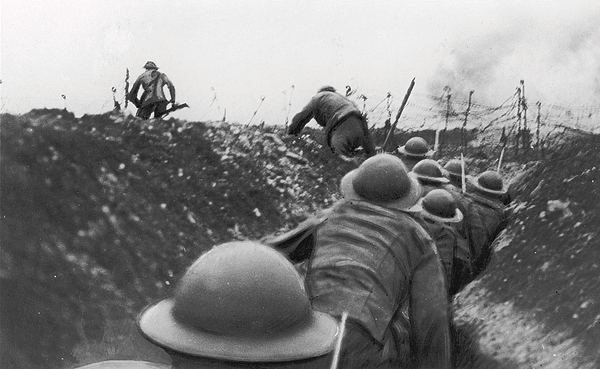
“When I go back there I feel I’m on consecrated ground. That ground has been trod by all those lovely lads who never came back. I think that poem
They shall not grow old, as we that are left grow old:
Age shall not weary them, nor the years condemn.
At the going down of the sun and in the morning
We will remember them.
I think it’s marvellous. Because that’s just how it is. You imagine them as they were then–not as they would be now–young, and in their prime, and never grown old.”
George Morgan, former Bradford Pal, died 1977, quoted in Tommy Goes to War by Malcolm Brown & the Imperial War Museum.