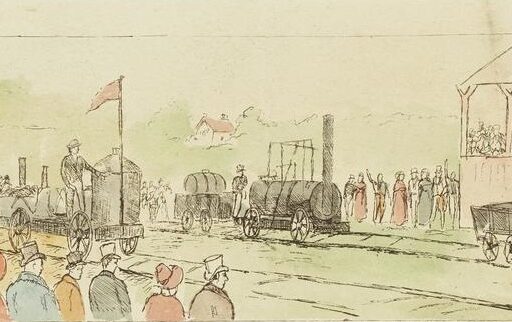
What were the dangers of early rail travel? How did the arrival of steam power shape our landscape? What will the train of the future look like? The museum team unravel questions like these to tell the story of the railways.
Thirty years ago, the Railway Heritage Act helped secure the future of Britain’s railway heritage. Discover how this landmark legislation protected historic artefacts and records during the privatisation of British Rail, ensuring they could be preserved for future generations.
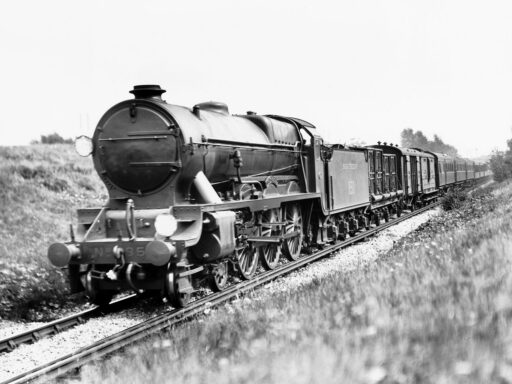
In August 1926, Lord Nelson, a powerful new 4-6-0 locomotive emerged from the Southern Railway’s Eastleigh Works that would herald a new rush for power and prestige in express passenger locomotive design in Britain.
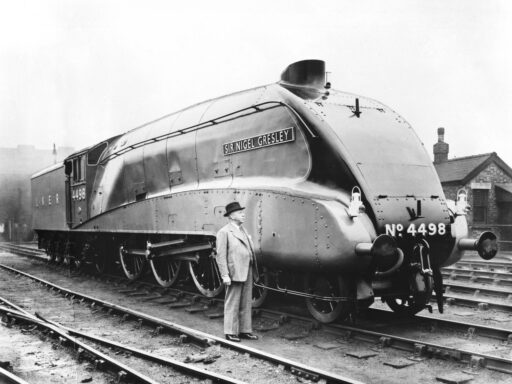
Friday 19th June marks the 150th birthday of Sir Herbert Nigel Gresley, a railway engineer synonymous with speed and innovation.
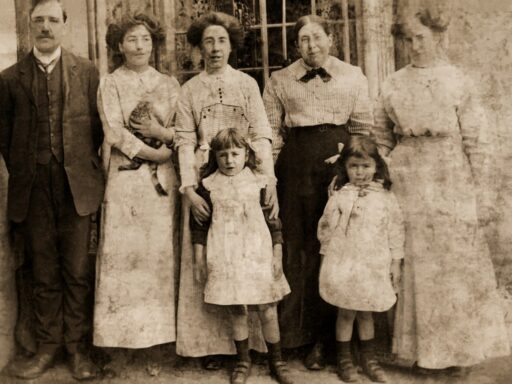
A small handwritten booklet, nearly lost in a house clearance, revealed the life of Ethel Danby and her family, shaped by the railways of Yorkshire in the age of steam. Guest author Jonathan Winter traces the story hidden within its pages.
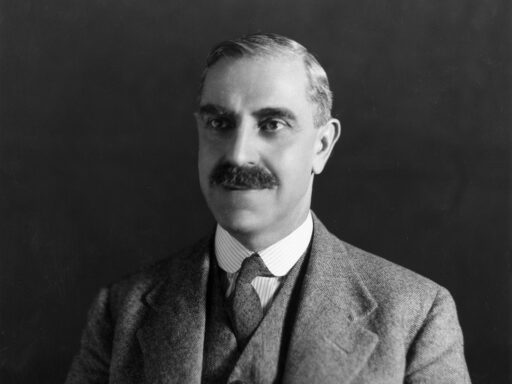
Sir Nigel Gresley is not the only famous British railway engineer to have their 150th birthday in 2026. Sir William Arthur Stanier, who oversaw the introduction of many classes of locomotives, units and rolling stock for the London, Midland and Scottish Railway (LMS), was born in Swindon on 27 May 1876.
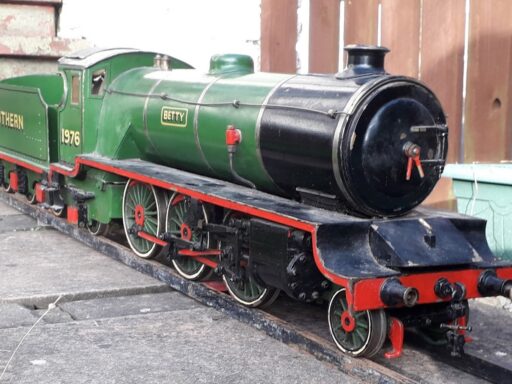
Self-taught engineer and writer Lillian “Curly” Lawrence revolutionised miniature railways, transforming an exclusive craft into a hobby enjoyed by millions while overcoming extraordinary barriers.
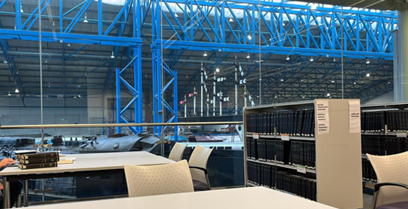
PhD researcher, Wendy O’Neill, concludes this series of blogs by giving advice about how fellow researchers can explore more railway history.
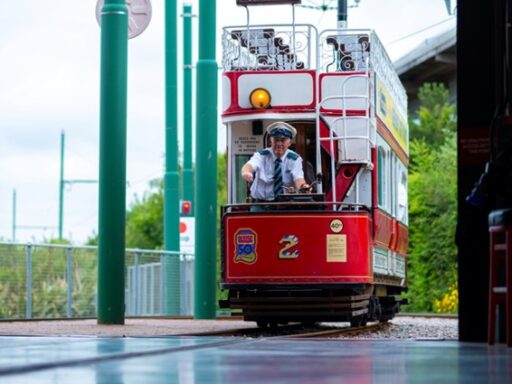
Wendy O’Neill continues her series with the story of the reinvention and renewal of Seaton Tramway.
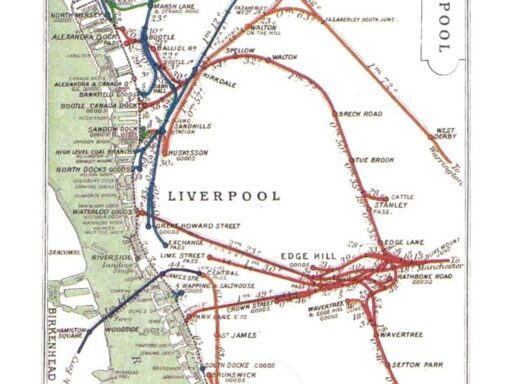
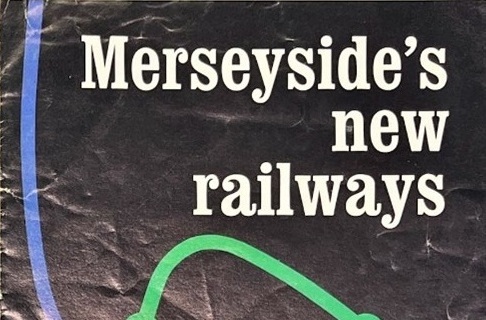
Wendy O’Neill continues her examination of the reuse of abandoned railways across Merseyside.
As part of the Railway 200 celebrations, PhD researcher, Wendy O’Neill, examines staff magazines held in our collection to explore the reuse of abandoned railways across Merseyside.
PhD researcher Tilly Guthrie highlights that this year marks not only 200 years of the railways, but also of the invention of Braille.
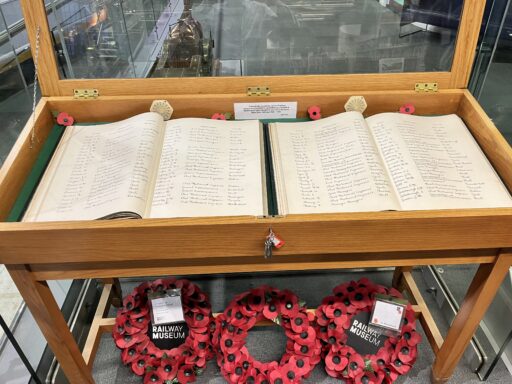
As Remembrance Sunday approaches, Senior Library and Archive Assistant Peter Thorpe highlights how railway companies commemorated fallen railway workers.