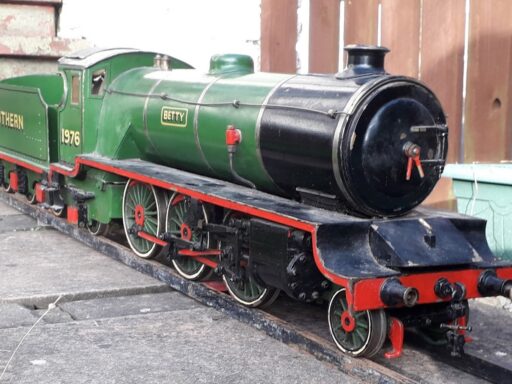
Self-taught engineer and writer Lillian “Curly” Lawrence revolutionised miniature railways, transforming an exclusive craft into a hobby enjoyed by millions while overcoming extraordinary barriers.
What were the dangers of early rail travel? How did the arrival of steam power shape our landscape? What will the train of the future look like? The museum team unravel questions like these to tell the story of the railways.
Self-taught engineer and writer Lillian “Curly” Lawrence revolutionised miniature railways, transforming an exclusive craft into a hobby enjoyed by millions while overcoming extraordinary barriers.
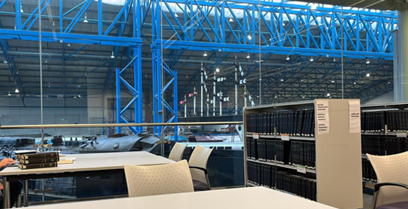
PhD researcher, Wendy O’Neill, concludes this series of blogs by giving advice about how fellow researchers can explore more railway history.
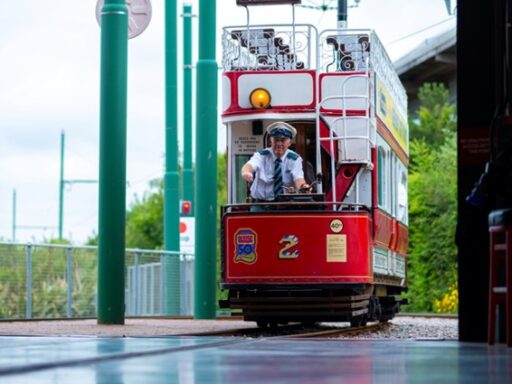
Wendy O’Neill continues her series with the story of the reinvention and renewal of Seaton Tramway.
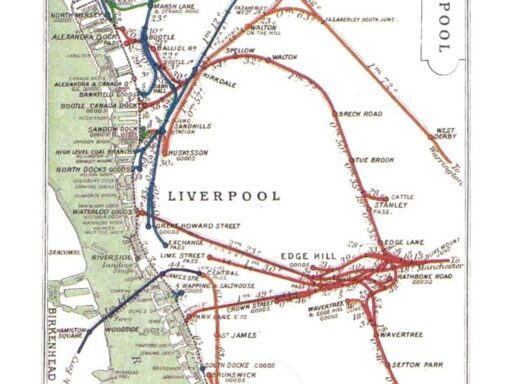
Wendy O’Neill continues her examination of the reuse of abandoned railways across Merseyside.
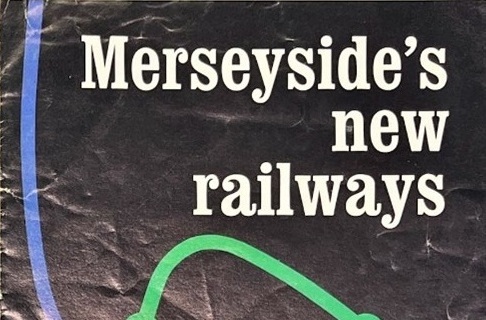
As part of the Railway 200 celebrations, PhD researcher, Wendy O’Neill, examines staff magazines held in our collection to explore the reuse of abandoned railways across Merseyside.
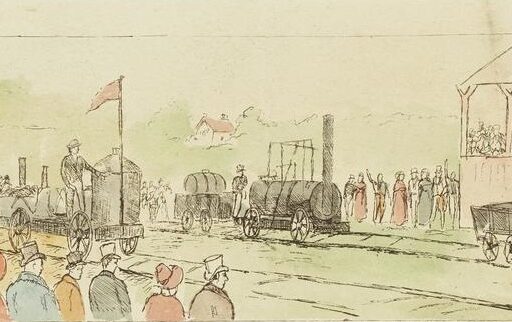
PhD researcher Tilly Guthrie highlights that this year marks not only 200 years of the railways, but also of the invention of Braille.
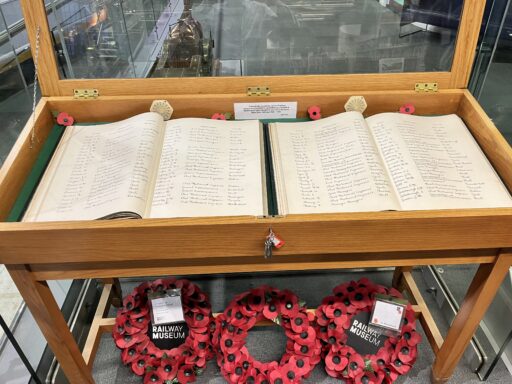
As Remembrance Sunday approaches, Senior Library and Archive Assistant Peter Thorpe highlights how railway companies commemorated fallen railway workers.
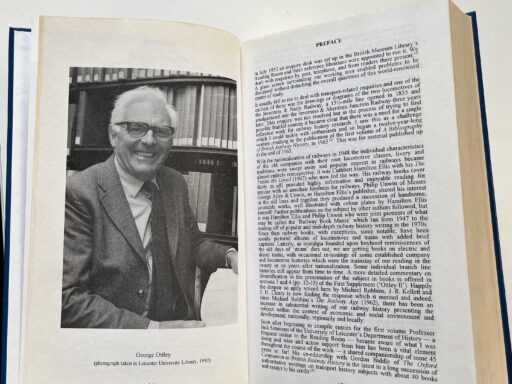
Senior Library and Archive Assistant Peter Thorpe explains our library classification system, adapted from a design created originally by George Ottley.
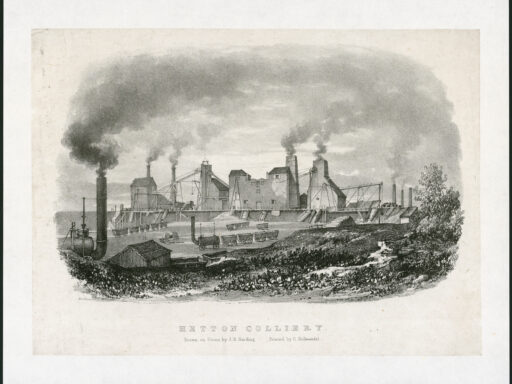
Archive volunteer Robert Demaine delves into the story of S&DR Traffic Superintendent John Graham.
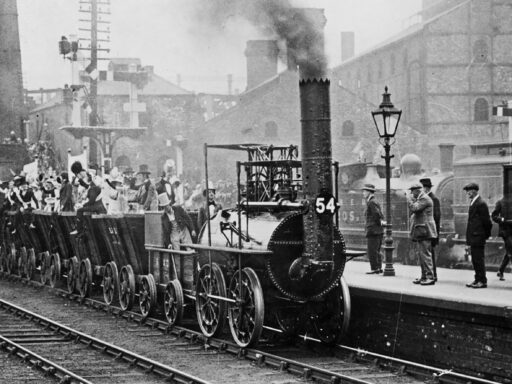
Head of Locomotion Sarah Price looks ahead to 2025, which marks 200 years of railway passenger travel.
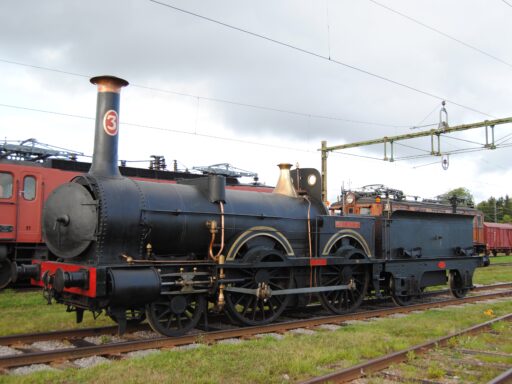
Railway historian Anthony Dawson shares the story of Charles Beyer of Manchester’s Beyer, Peacock & Co.
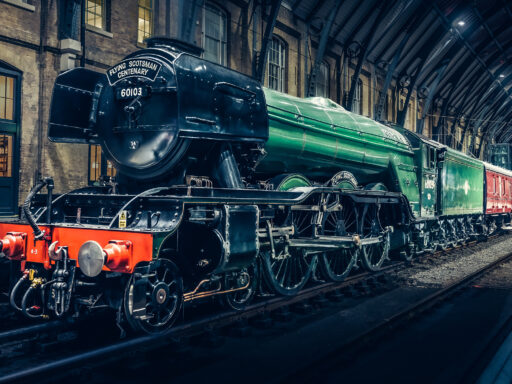
Sophie Vohra highlights the significance of Flying Scotsman’s 100th birthday and shares details of our Centenary Programme.